GC Summit: Corcovado 2026
Corcovado National Park, Costa Rica | March 26th-30th, 2026
Global Conservation Hosts Bi-National Park Protection Summit in Corcovado National Park, Costa Rica, with Panamanian Authorities
Ten national parks and protection teams receive training on the latest technology and systems against illegal mining, logging, wildlife poaching, and illegal fishing.
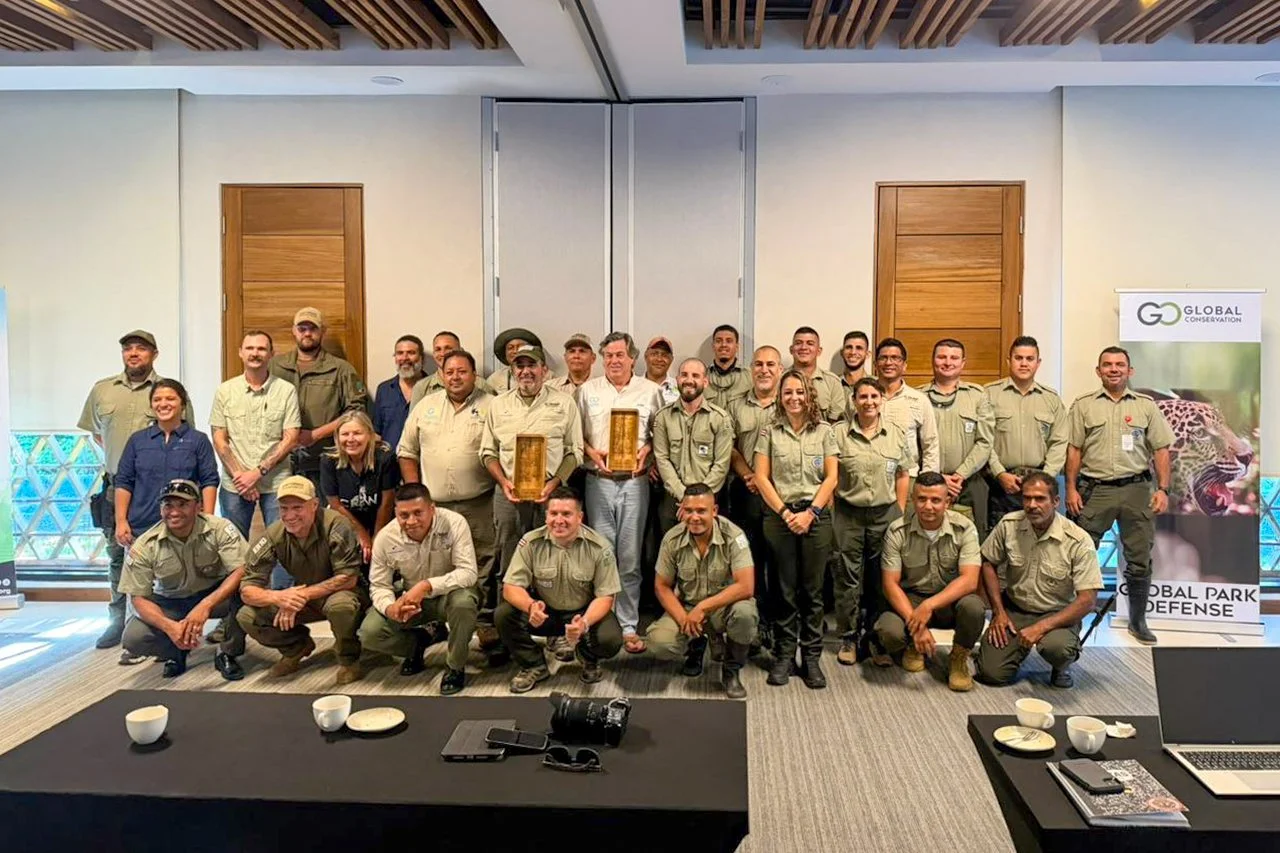
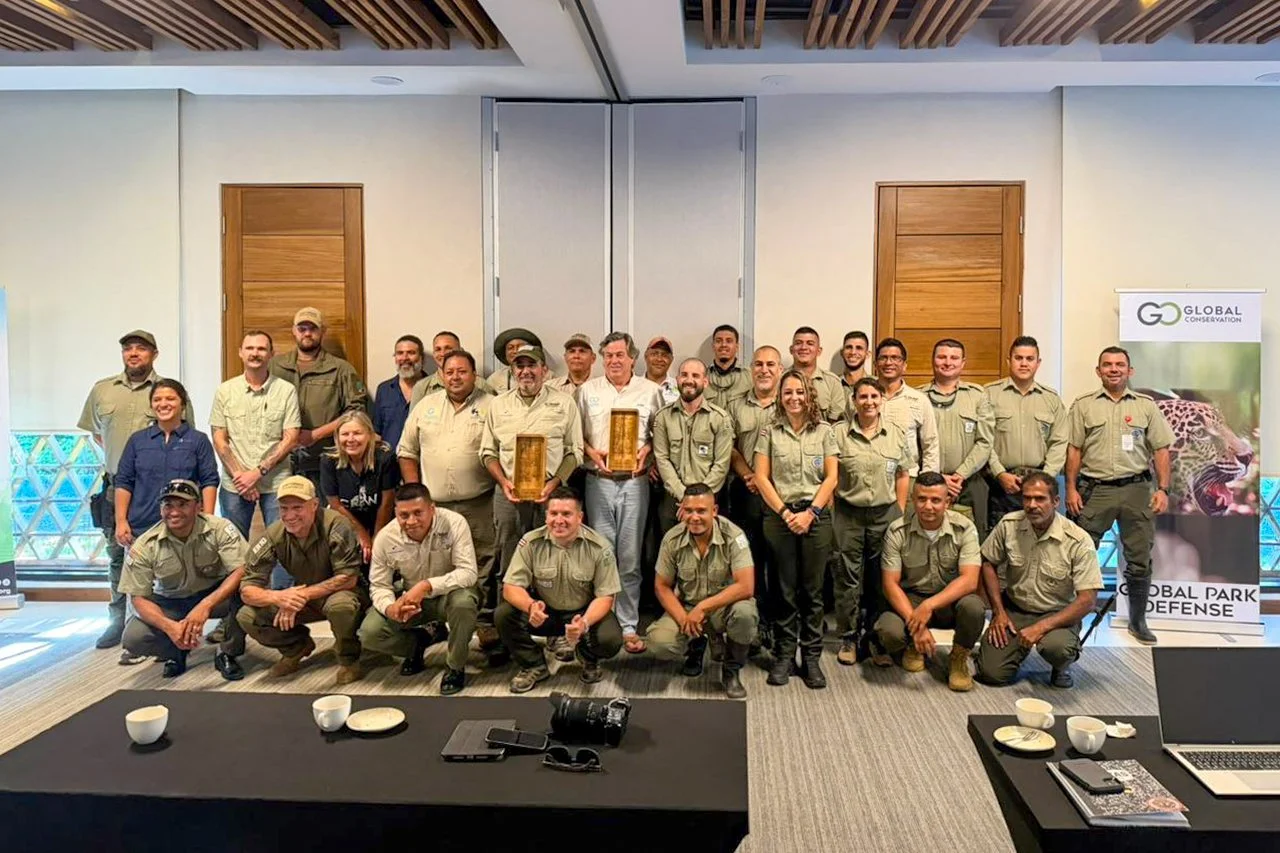
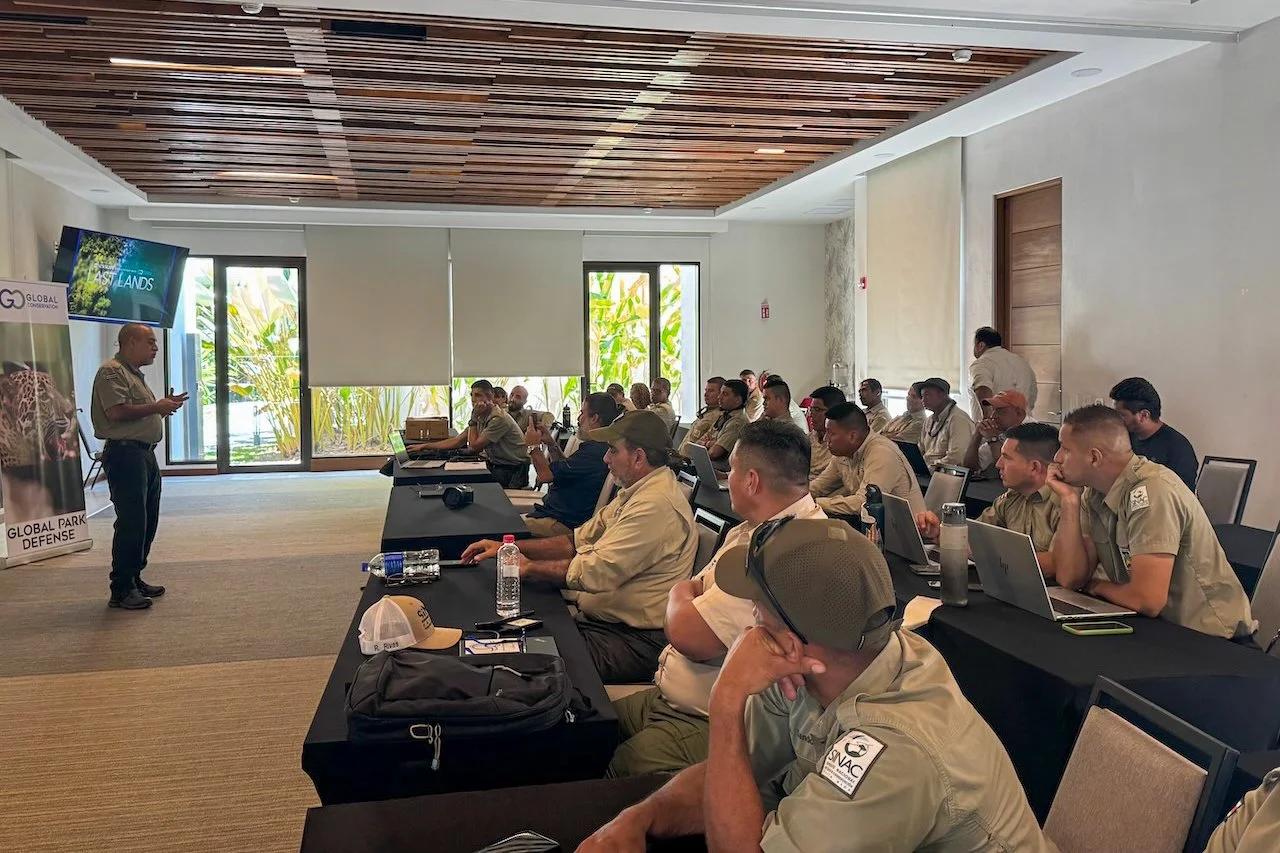
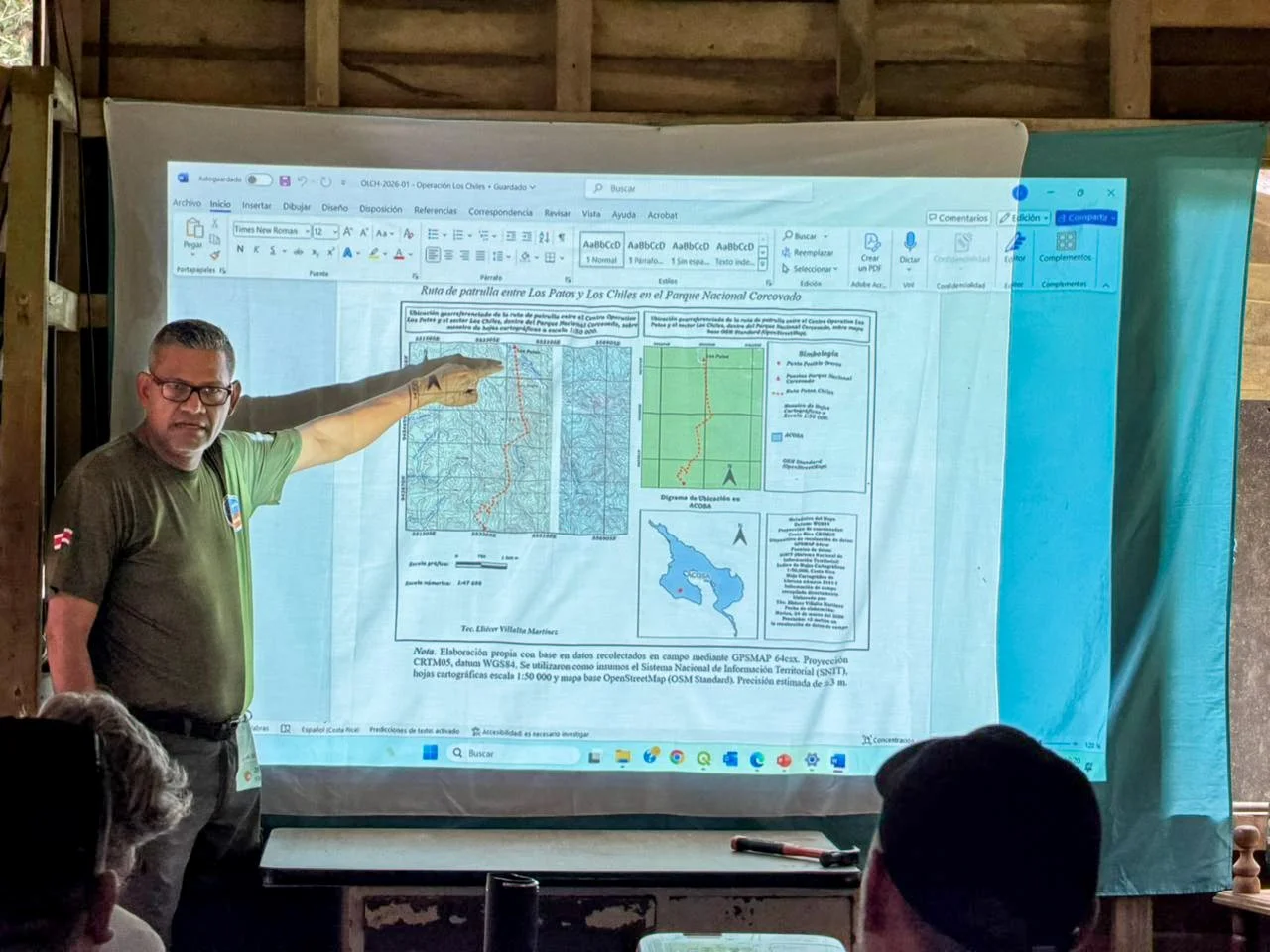
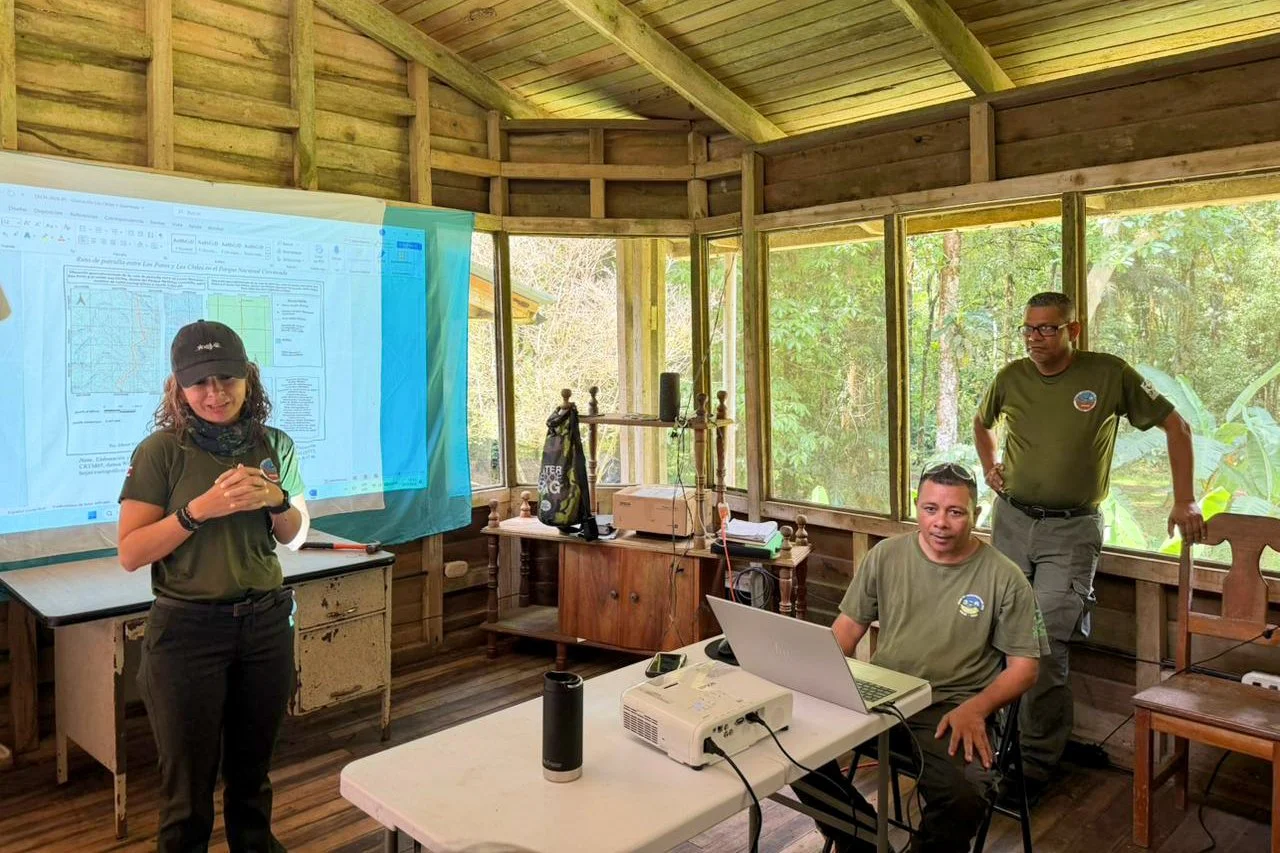
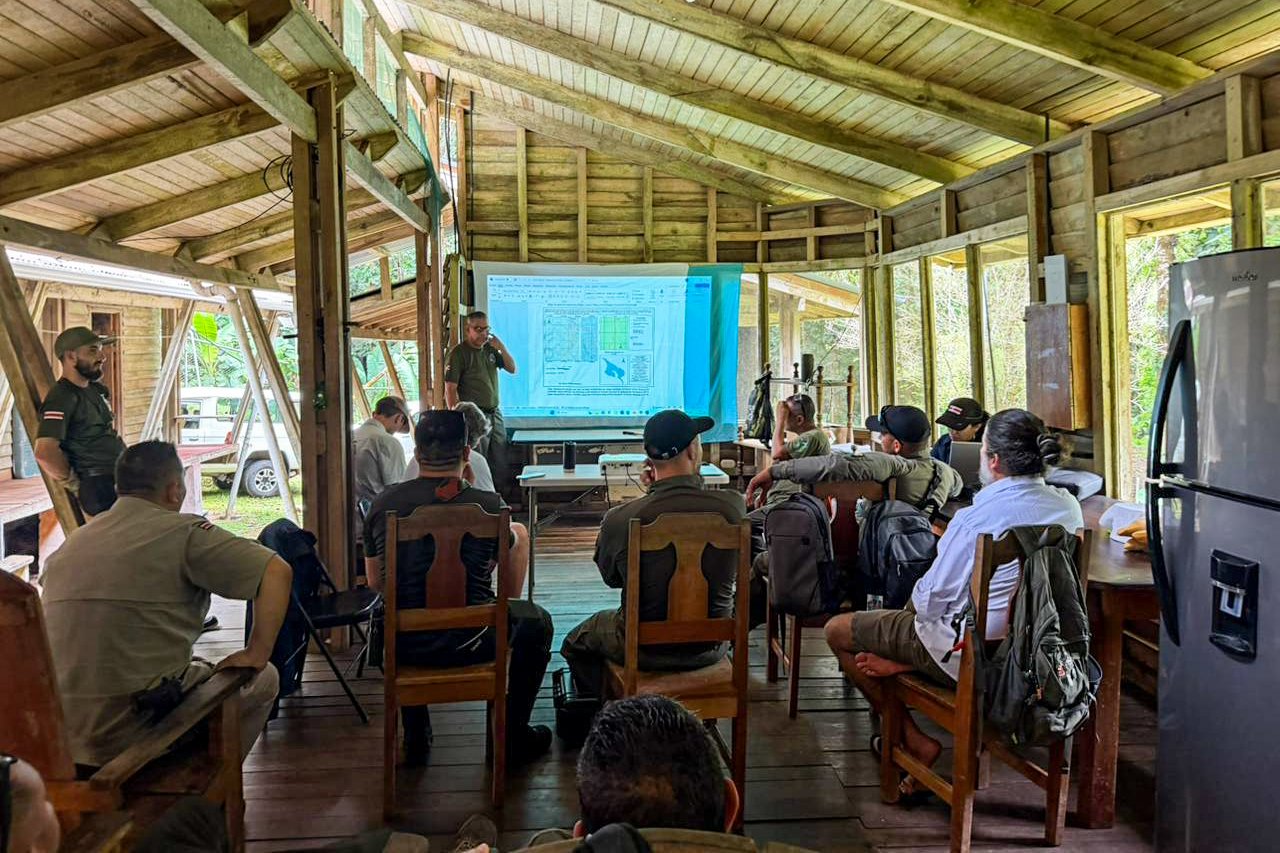
In late March, a GC Summit for Panama and Costa Rica was held to train participants and share knowledge about systems and technologies, as well as their progress and challenges in Global Park Defense (GPD) and Community Protection in six endangered national parks, their adjacent forest reserves, and local communities.
Held in Corcovado National Park on the Osa Peninsula of Costa Rica, 42 National Park Directors and Protection Leaders presented their achievements and challenges over the past two years of deploying Global Park Defense (GPD) and Community Protection against illegal logging, wildlife poaching, illegal mining, and fire prevention.
We were impressed by the commitment and dedication of park authorities in the face of dwindling resources and staffing for park and wildlife protection while facing increasing human-induced pressures.
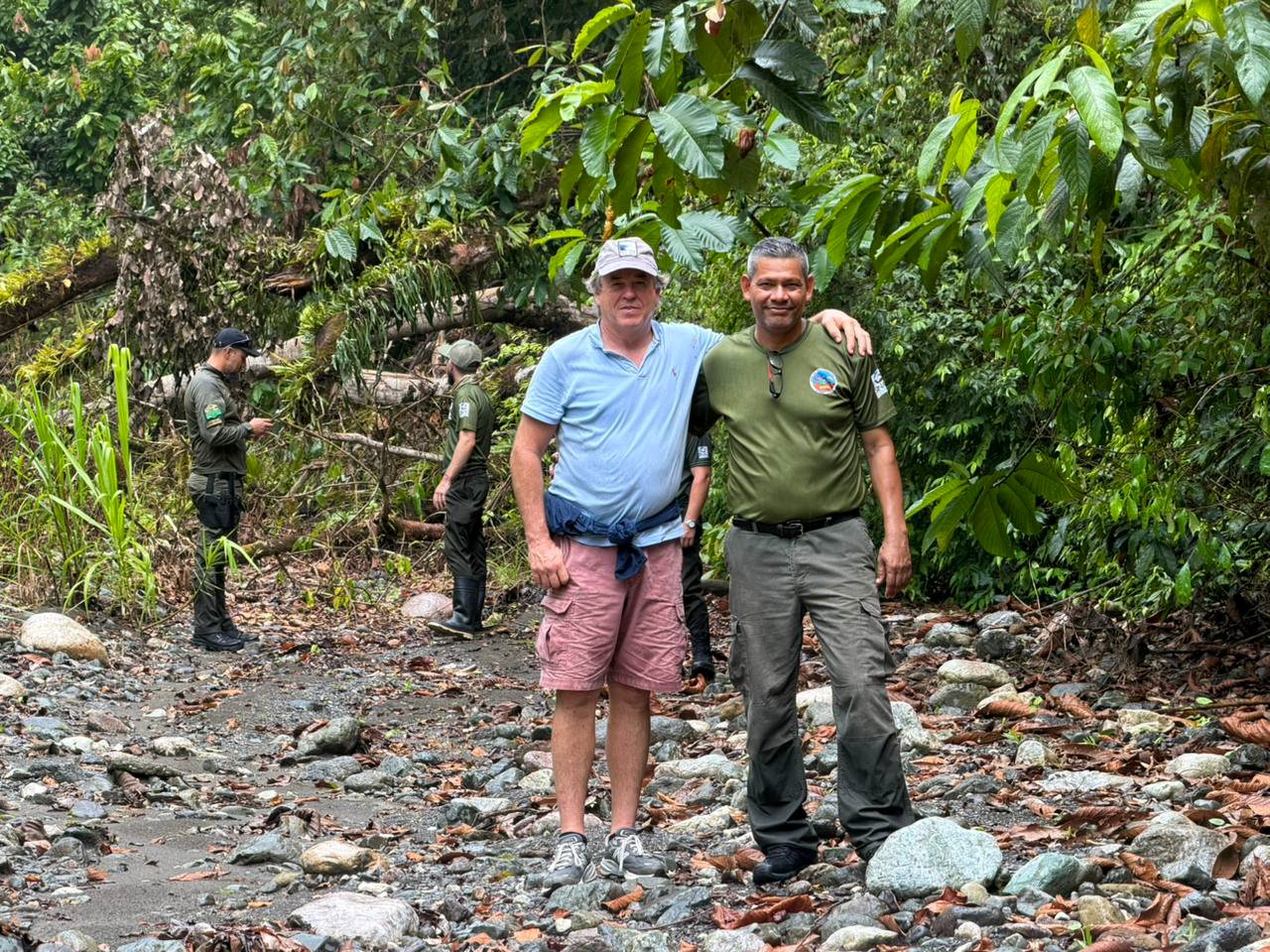
Stand-Out Paradoxes Include
Despite Corcovado National Park having over 50,000 visitors a year and massive crowds crawling over each other in the central Sirene Station area, the government is unable to fund ranger patrols, food, and fuel against illegal gold mining and wildlife poaching in Costa Rica’s most famous and biodiverse national park.
A corrupt official in Guanacaste National Park allowed illegal fishing in ‘No Take’ fishing zones, informing criminals when park patrols were taking place. Another Director in ACOSA was allegedly involved with the illegal gold miners for many years, blocking protection efforts and failing to fund even basic radio communications for their safety and fundamental park protection until she was removed from official duties after nearly 8 years.
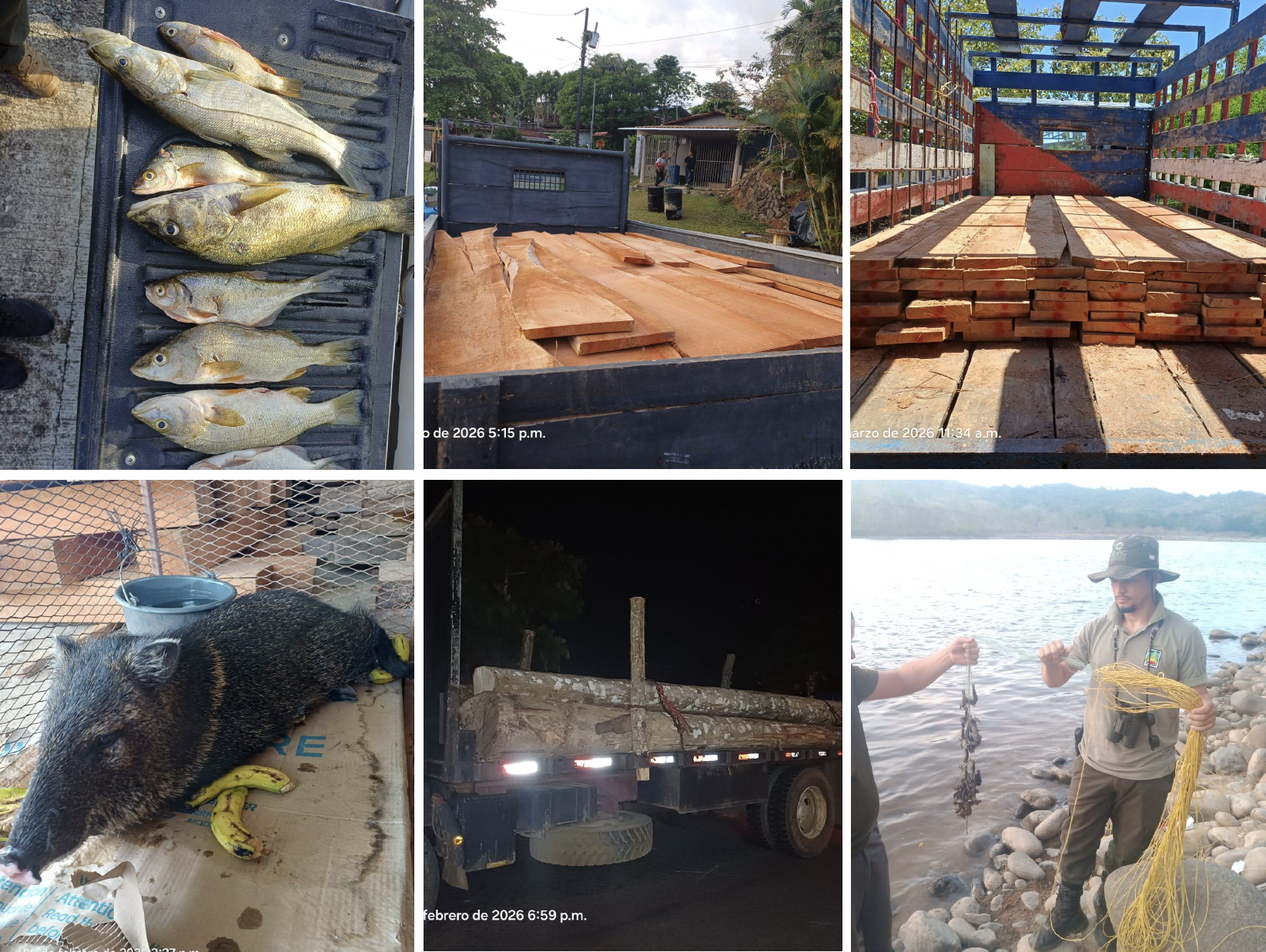
Rangers in La Amistad present some of their various successes over 2026.
Until 2025, the largest national park in the region was staffed by only five rangers and had not undertaken patrolling since 2000. With GC support and 60+ new rangers, Darien National Park had over 12,000 kilometers of patrols in 2025. With just basic support for patrol operations and maintenance of boats and vehicles, we saw a complete turnaround in park protection effectiveness.
Next to Guanacaste National Park, Nicaragua has lost over 80% of its forest cover in the past 20 years, just 20–30 miles away. This destruction, fires, and hunting are now right at the border of Costa Rica, and large numbers of illegal immigrants are flooding the country, causing heavy losses of wildlife and forests. Burning of grasslands to scare out wildlife for hunting is becoming more common and illegal fishing is coming regularly into the National Park ‘No Take’ Marine Protected Area.
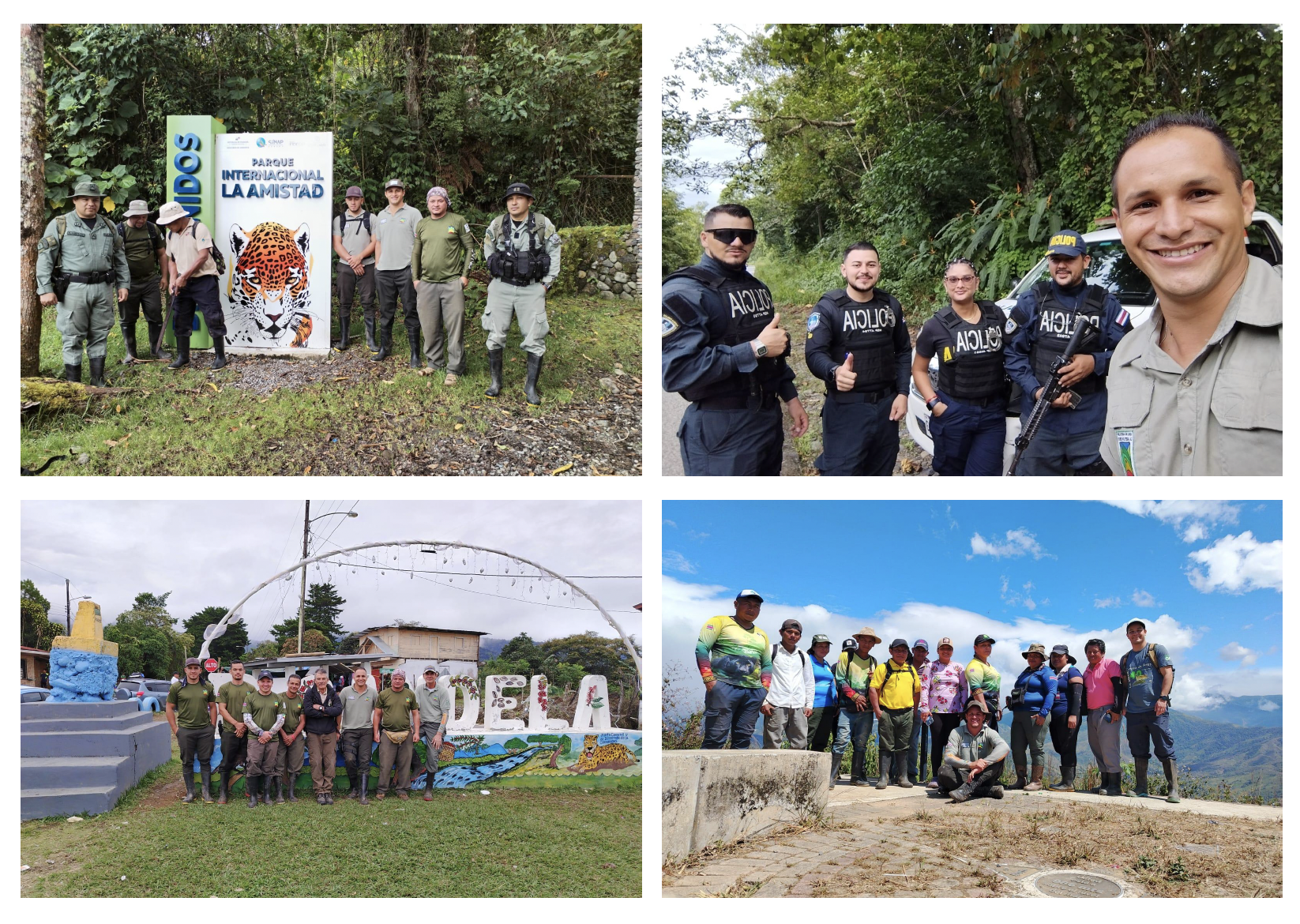
Global Conservation is supporting the deployment of Global Park Defense in ten endangered National Parks and Marine Reserves in Costa Rica and Panama, hosting park directors and protection teams for training in Corcovado National Park, which is facing illegal mining and wildlife poaching, as a model for the Americas.
Jaguar populations are declining below sustainable levels in many national parks in Central America due to hunting of their prey and the jaguars themselves. Many of the jaguars' deaths come from human-wildlife conflicts in revenge killings after losing livestock. In Corcovado National Park, Costa Rica’s most important national park for biodiversity, scientists estimate there are less than thirty individuals.
The GC Summit will focus on Global Park Defense and Community Protection in Costa Rica and Panama with in-the-field interventions addressing illegal mining and illegal fishing in Corcovado National Park, with the goal to reinforce institutional capacity and alliances for the protection of critical biodiversity areas across Central America.
The GC Summit promotes regional cooperation, strategic alignment for 2026–2028, and direct engagement with ten National Park authorities and operational teams. In addition to high-level meetings and training, field operations targeting illegal mining and illegal fishing will take delegates into Corcovado National Park and experience conditions on the ground.
The goals of the GC Summit are to align the plans and priorities for 2026–2028 between Panama and Costa Rica, improve cooperation across borders, share information, and build the ability of institutions to effectively protect nature and respond to threats.
Strategic Focus Of The GC Summit – Corcovado National Park
· Protection of globally significant biodiversity.
· Strengthening National Park and Community Protection capacity.
· Addressing illegal mining threats in Corcovado National Park.
· Enhancing cross-border conservation cooperation.
· Building long-term institutional partnerships.
· Presentations of real implementation experiences, led by the parks with the most experience in each system and technology.
· Field visits to observe operations against illegal mining in Corcovado National Park and illegal fishing in the Golfo Dulce.
GC Sponsors Special Operations to Arrest Illegal Gold Miners Deep in Corcovado
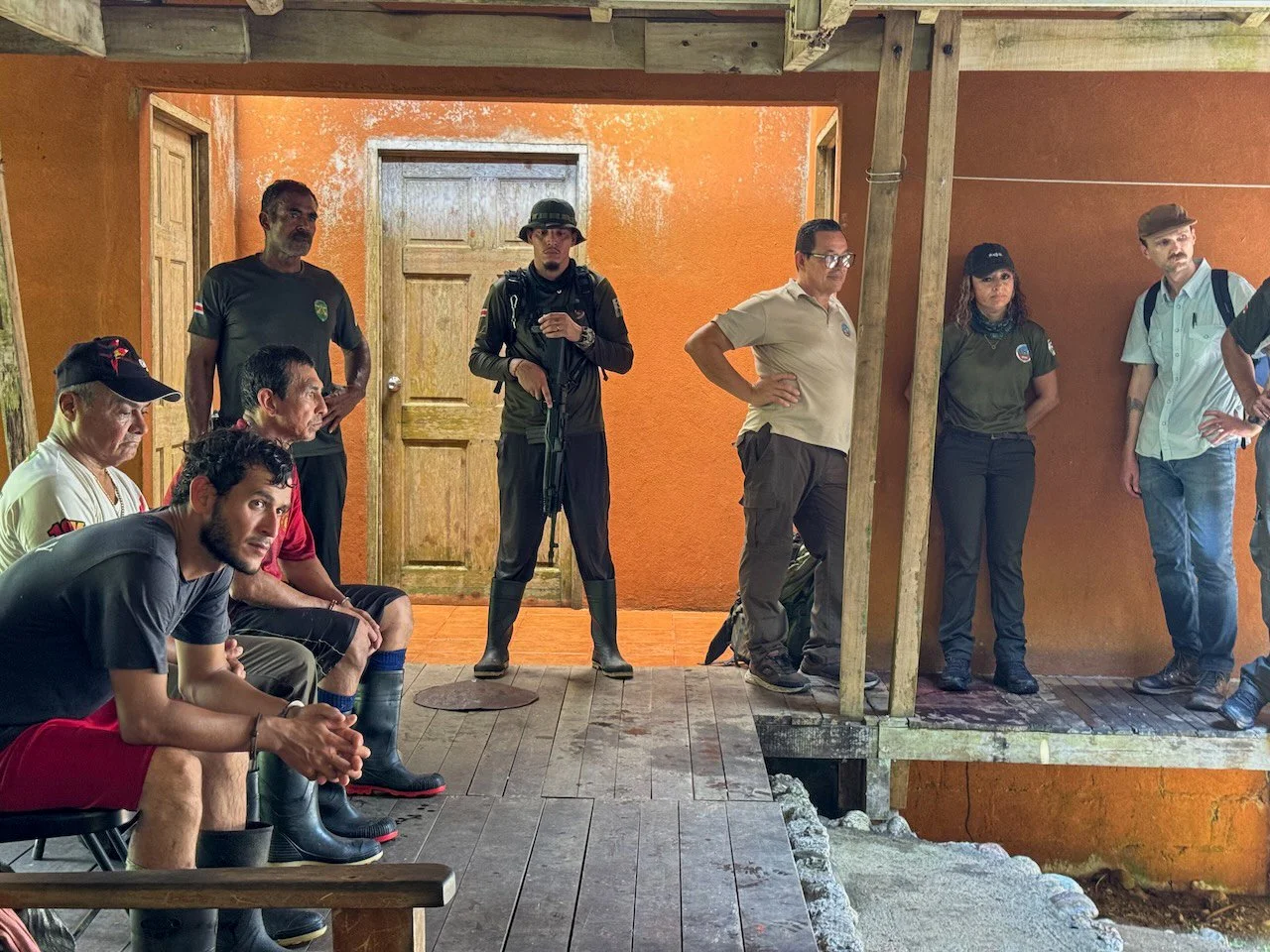
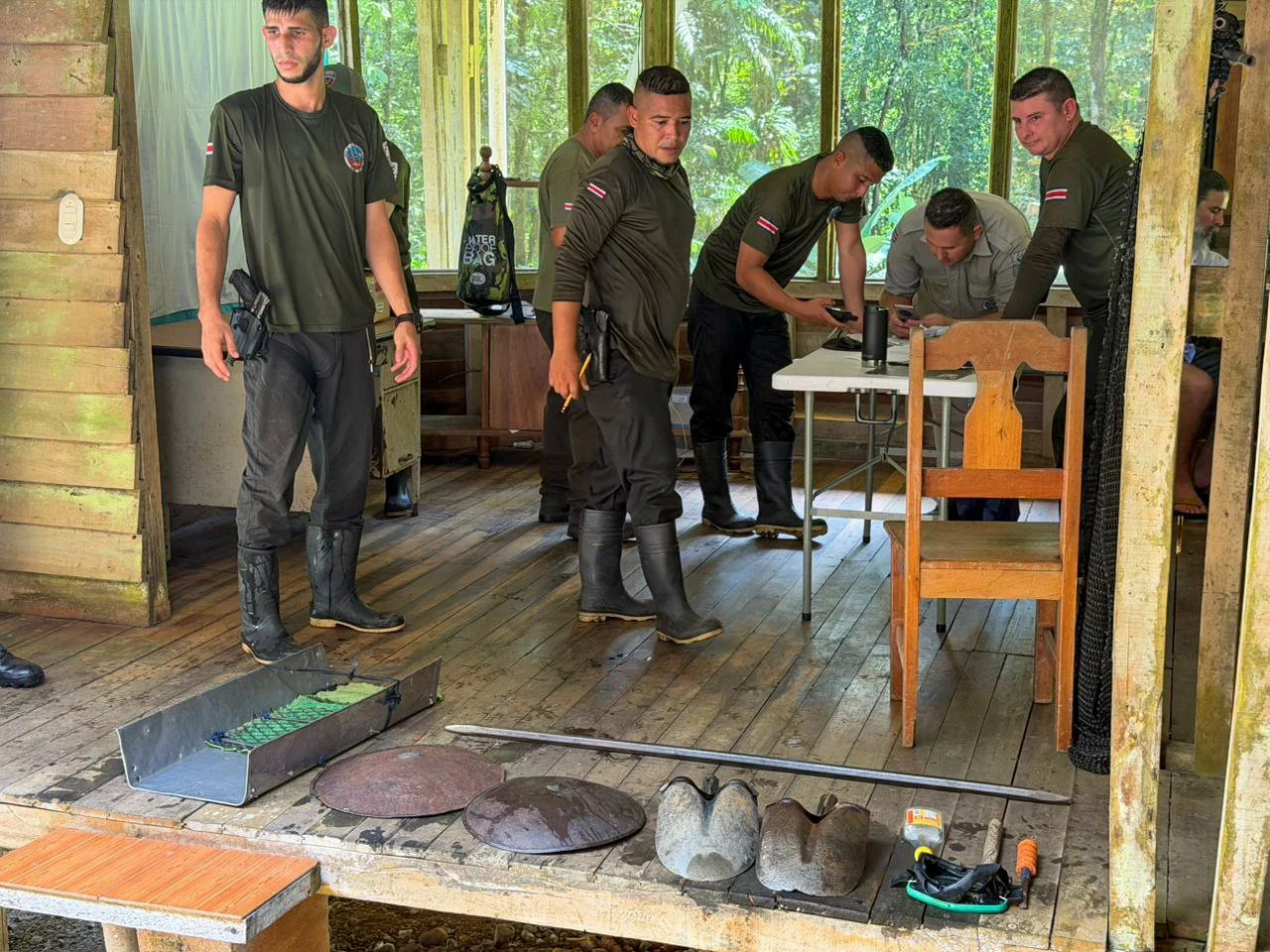
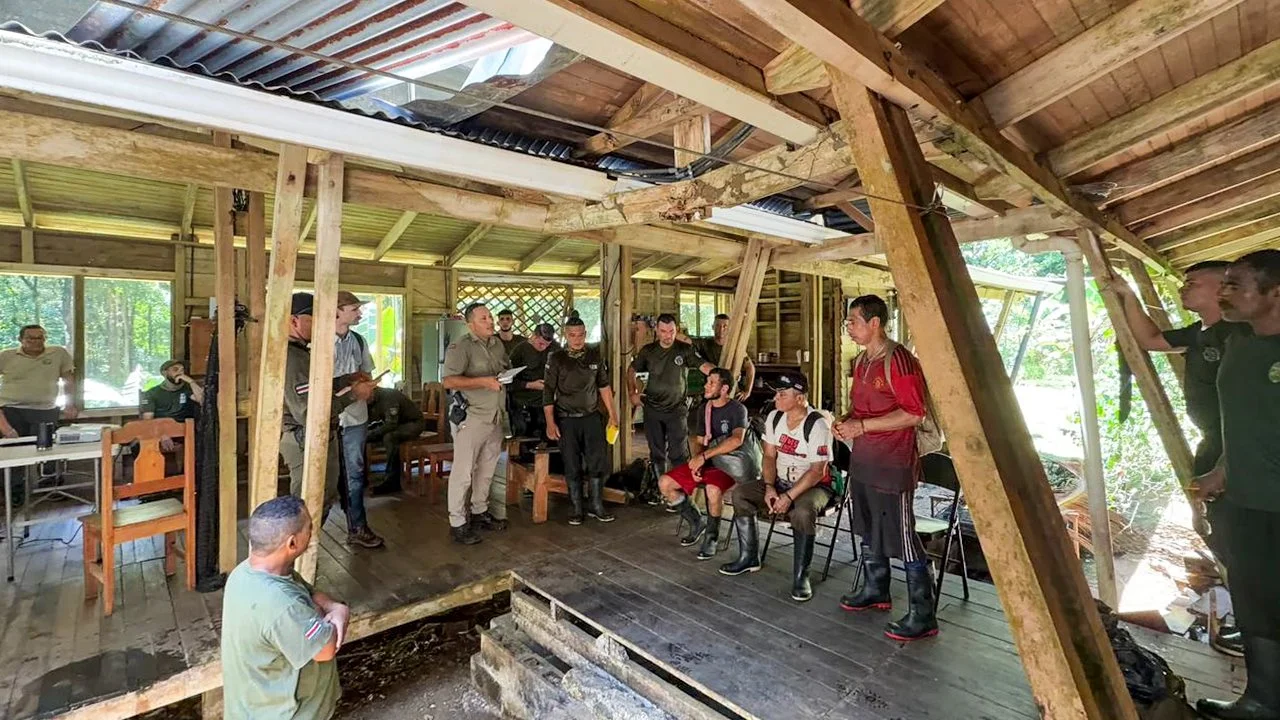
Above: During the Summit, one of the ranger patrols makes arrests of illegal gold miners.
GC Summit Highlights:
Dialogue with park authorities and protection leaders.
Briefing on program progress and regional priorities.
Costa Rica–Panama coordination framework.
Strategic discussion: priorities for 2026–2028.
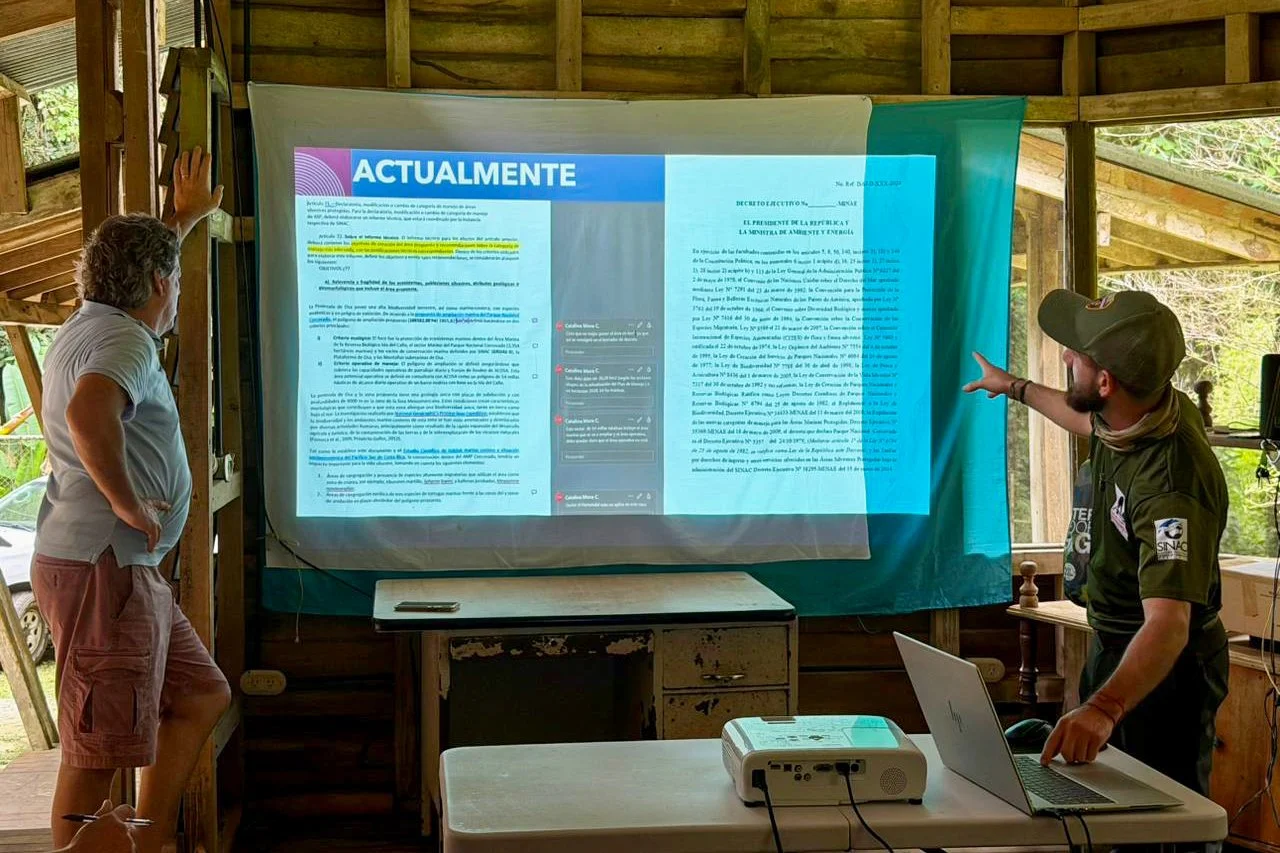
Binational patrol coordination in La Amistad International Park (PILA) and use of EarthRanger as an integrated patrol and intelligence system.
A presentation on the use of the M2 radar as a key marine control and protection tool, with a focus on the radar’s real capabilities, integration with maritime patrol operations, costs, and replicability in Coiba National Park.
Darién National Park expansion strategy and EarthRanger implementation.
Use of thermal cameras and a control center for early fire detection, with a focus on system design.
Showing results of daily operations, response protocols, and poaching impact reduction in the Guanacaste Conservation Area.
Use of EarthRanger as an integrated patrol and intelligence system in Chirripó National Park.
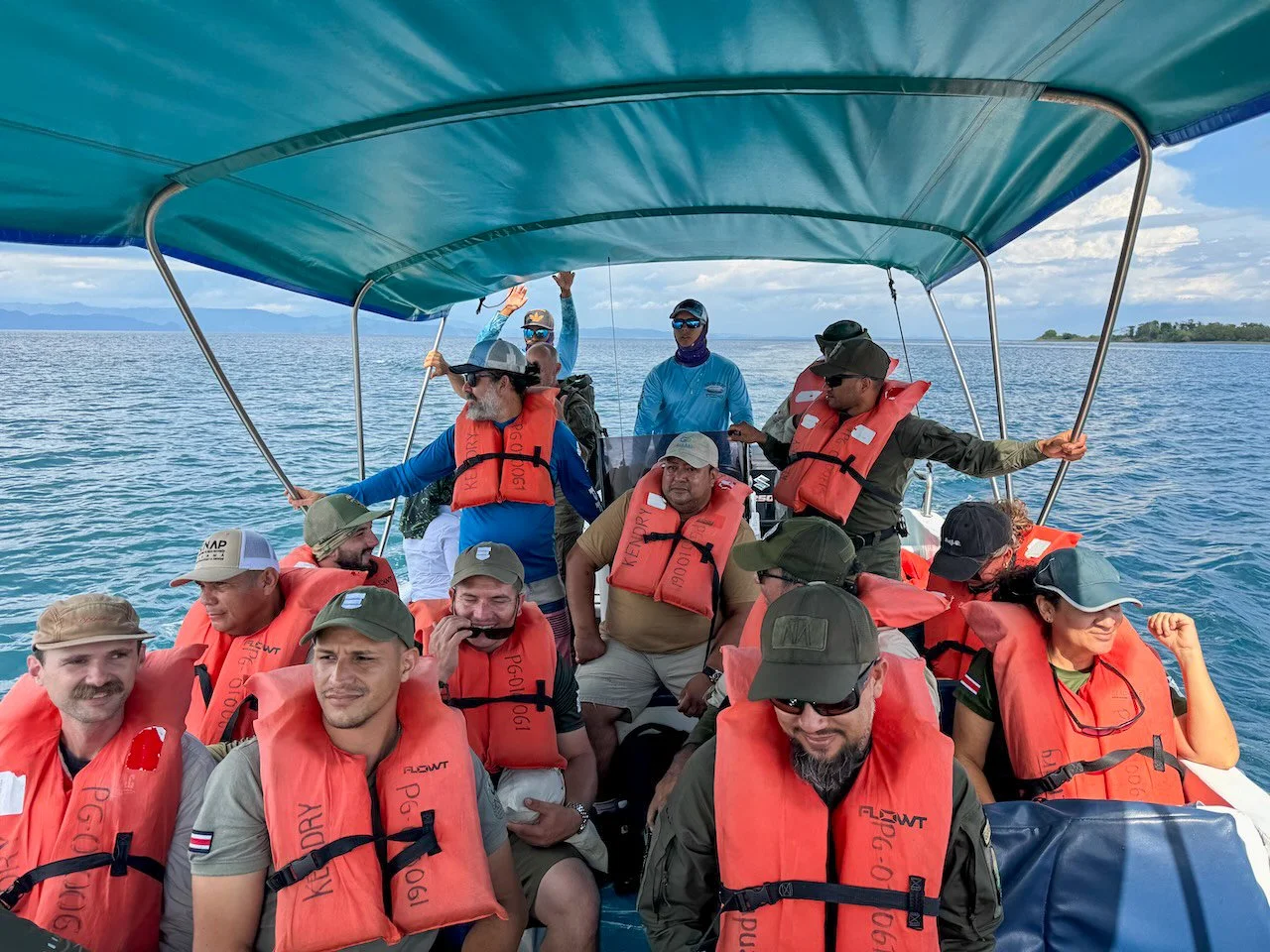
Field Visit: Corcovado National Park – Marine Patrol to Sirena Station
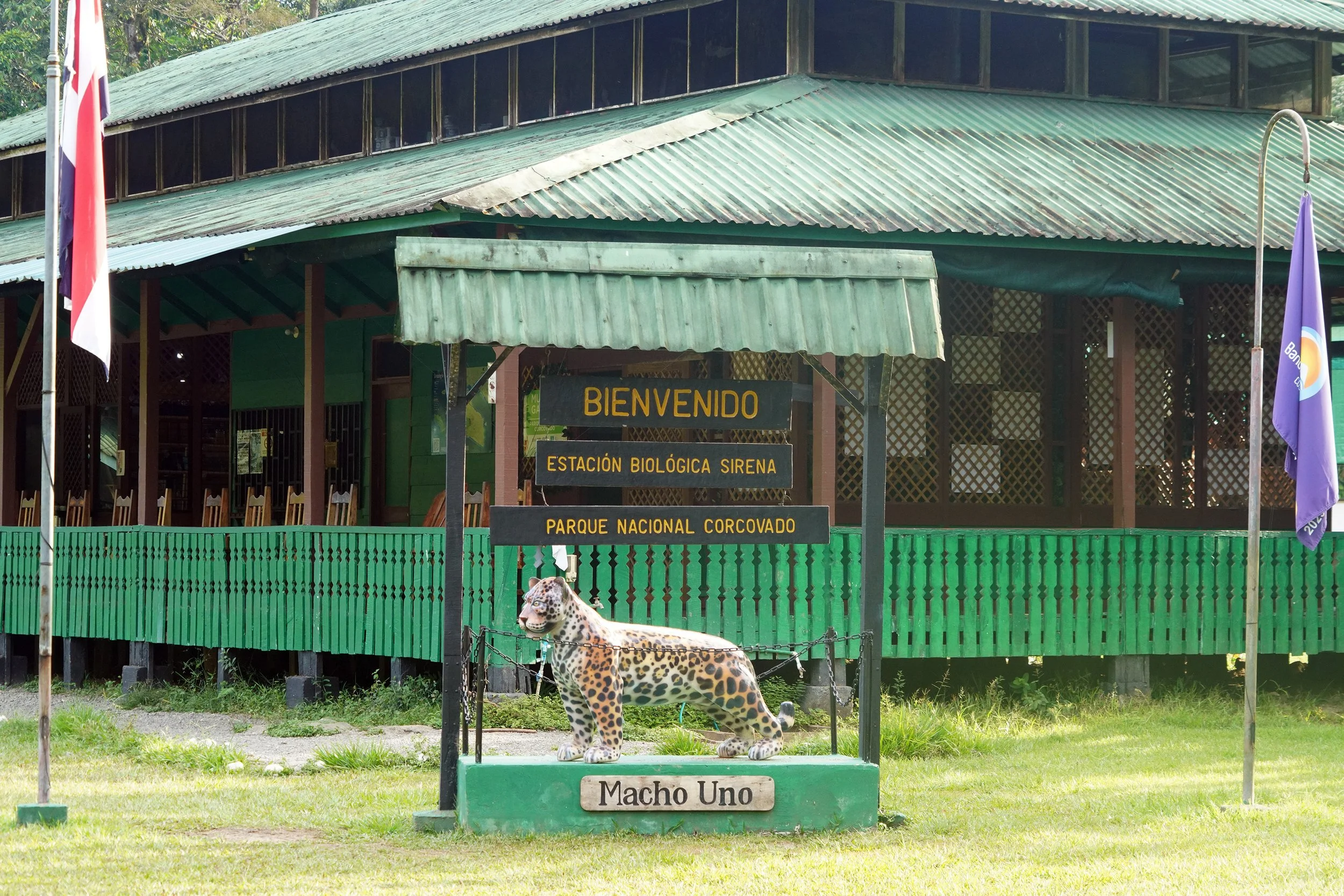
Sirena Station in Corcovado national Park.
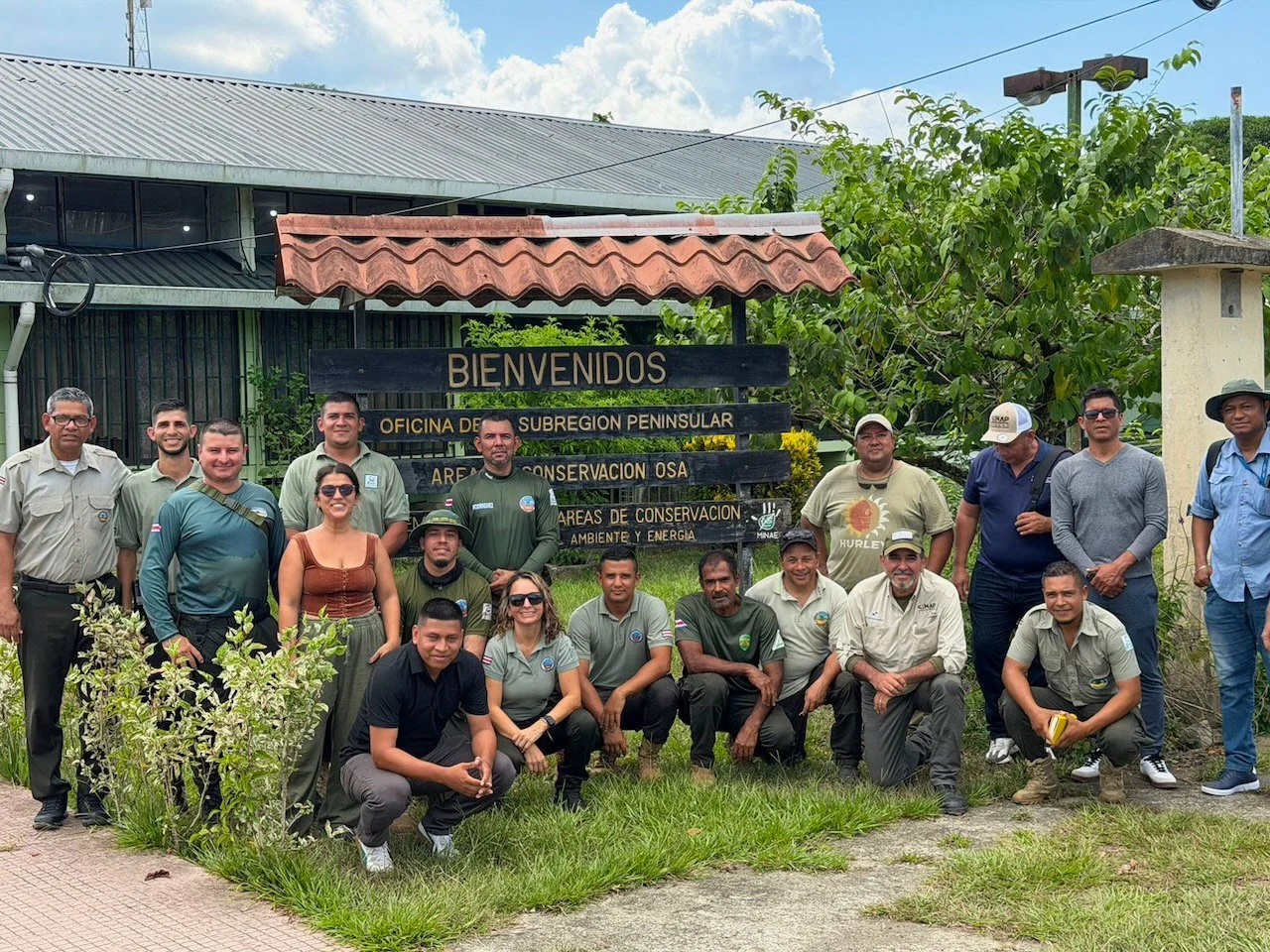
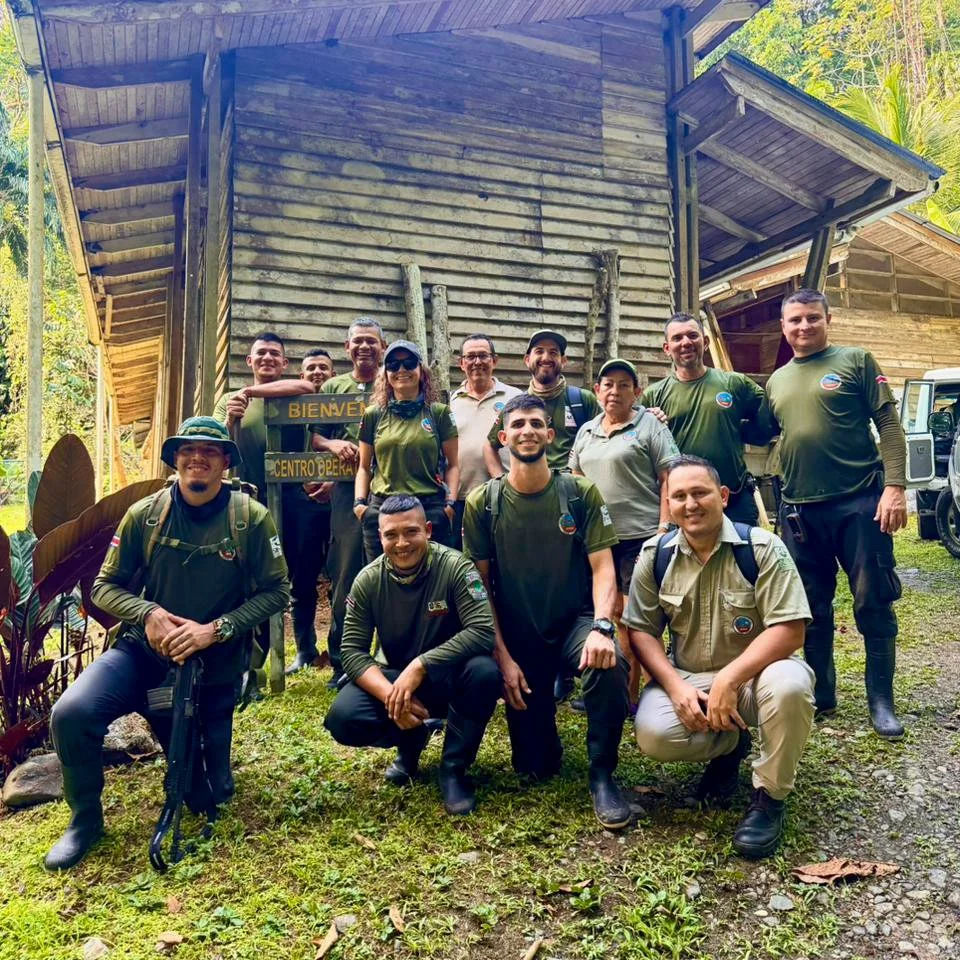
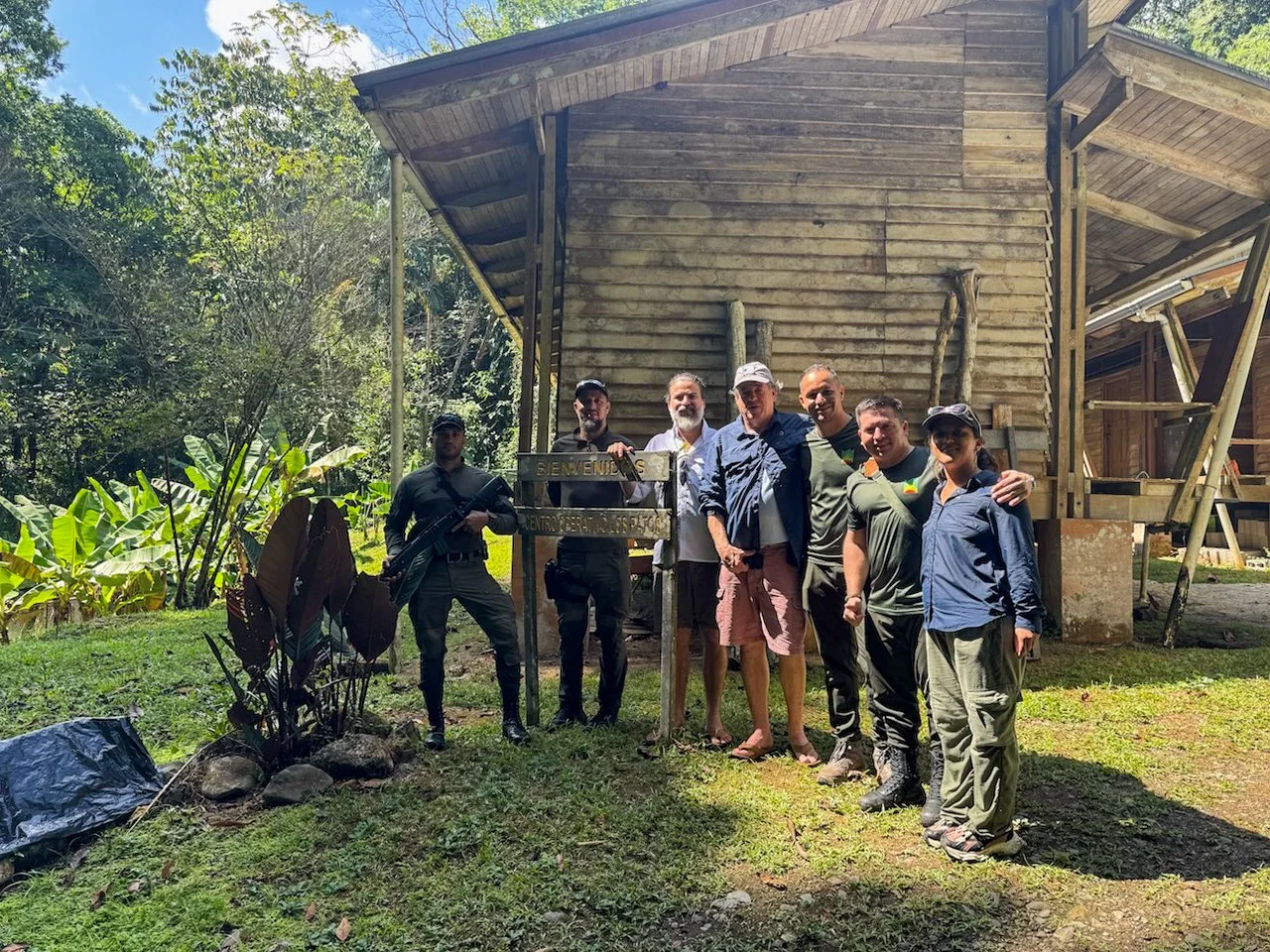
Operational Objective
Strengthen on-site coordination by identifying immediate actions to enhance patrol effectiveness, resource allocation, and response capacity for threat prevention and control.
Highlights
• Institutional briefing on priority threats.
• Assessment of operational capacity and protection needs.
• Recognition of Sirena as a core biodiversity conservation site of global significance.
• Identify priority actions to strengthen terrestrial patrol capacity, improve inter-institutional coordination, and enhance response effectiveness to illegal mining activities.
• Presentation of enforcement actions addressing illegal mining.
• Engagement with field personnel and operational teams.
• Review of achievements, challenges, and strengthening opportunities.
For recent updates on Global Park Defense efforts in
Corcovado and other National Parks in Costa Rica and Panama:
INVITED PROTECTED AREAS & CONSERVATION AUTHORITIES
La Amistad International Park: administrator and coordinator of the Control and Protection Program.
Corcovado National Park: director of ACOSA, director of Protected Areas, park administrator, coordinator, and patrol of the Control and Protection Program.
Golfo Dulce Forest Reserve: administrator and coordinator of the Control and Protection Program.
Guanacaste Conservation Area: director of Protected Areas and coordinator of the Control and Protection Program.
The Leadership Directors of MINAE and SINAC Panama
Coiba National Park, coordinator of the Control and Protection Program.
Darién National Park, coordinator of the Control and Protection Program.
La Amistad International Park, Pacific sector, coordinator of the Control and Protection Program.
La Amistad International Park, Caribe sector, coordinator of the Control and Protection Program.
Luis Carles, Panama Director of Protected Areas and Biodiversity.
Discover Our Previous Summits